Source Nourishing Deep Cleaning Body Soap for Body, Face, and Hand Care
Find and compare 29 OEM toilet soap and shower gel options for personal care. Evaluate solid bars and liquid washes with customized weights, fragrances, and packaging to meet your brand's specific requirements for all skin types.
Key considerations
Products List


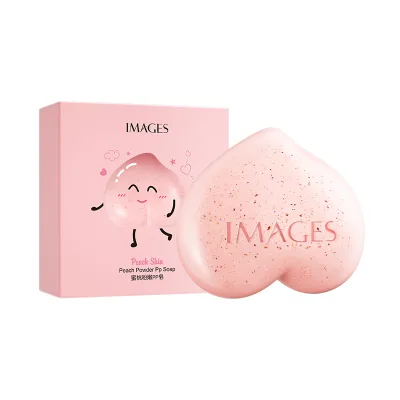


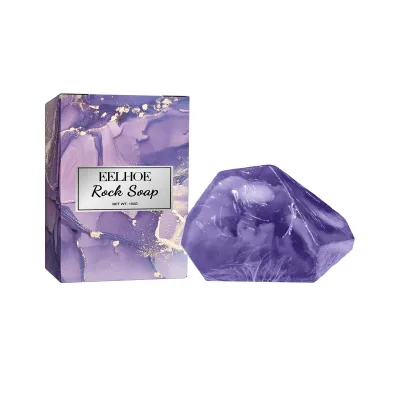


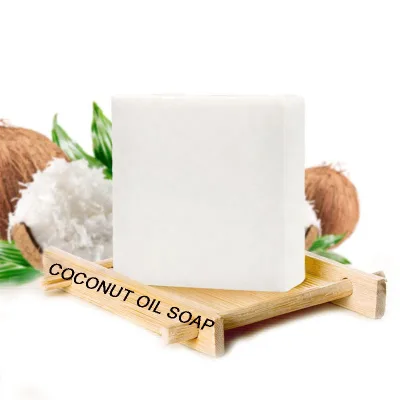
Comprehensive Sourcing Guide
Nourishing Deep Cleaning Body Soap Sourcing Guide
Sourcing high-quality body soap requires a clear understanding of the distinction between solid bar formulations and liquid washes, as both fall under the broader category of personal care hygiene products. Buyers often seek "nourishing" properties, which typically imply the inclusion of moisturizing agents such as glycerin, plant oils, or shea butter, while "deep cleaning" suggests a formulation capable of removing excess oil and impurities without stripping the skin barrier. In the current market, suppliers offer a wide variety of options ranging from standard toilet soaps to specialized beauty bars, with customization being a key differentiator for private label brands. The ability to tailor the product to specific skin types, including all skin types, ensures that the final product meets diverse consumer needs while maintaining brand consistency.
The procurement landscape for these products is characterized by significant variability in specifications, packaging, and origin. Most manufacturers are based in China, with specific production hubs like Jiangsu providing a concentration of capable suppliers. These facilities often support OEM (Original Equipment Manufacturer) services, allowing buyers to imprint custom logos and select from various fragrances, including fruity, floral, or mixed scents. Understanding the available forms—solid bars, liquid gels, or even wax-based products—is critical, as each form dictates different manufacturing processes, storage requirements, and consumer usage patterns. Buyers must align their product vision with the supplier’s technical capabilities to ensure a seamless production run.
Product Scope and Observed Listing Signals
The observed market signals indicate a broad spectrum of product types, primarily centered around toilet soap and beauty soap variants. Listings frequently highlight the "OEM Toilet Bar Soap" as a core offering, with models such as SP-63, SP-22, and SP-12 representing different standard weights and formulations. These solid bars are typically non-medicated and designed for general use on the body, face, and hands. The transparency of these products varies, with many being opaque, which is standard for traditional soap bars. Buyers should note that while the term "nourishing" is often used in marketing, the actual ingredient profile must be verified through technical data sheets, as the provided facts confirm the form is solid and the application is general personal care.
In addition to solid bars, the market also includes liquid formulations such as shower gels and body washes. These products are often packaged in bottles and may feature natural fragrances or specific scent profiles like fruity or floral notes. The distinction between solid and liquid forms is crucial for logistics and shelf-life management. Solid bars generally have a longer shelf life, often cited as three years, and are packed in cartons for efficient shipping. Liquid products, on the other hand, require bottle packing and may have different stability requirements. Buyers must clearly define whether they are sourcing solid bars or liquid washes, as this decision impacts the entire supply chain, from raw material sourcing to final packaging.
Technical Specifications to Verify
When evaluating technical specifications, the weight and dimensions of the product are primary considerations. For solid bars, standard weights observed include 120g, 80g, 100g, and 200g, with many suppliers offering customized net weights to meet specific market demands. The model numbers, such as Cc-11-1 or SP-25, often correspond to these weight variations or specific formulation batches. Buyers should verify the exact weight tolerance and packaging density to ensure accurate inventory management. For liquid products, the package size is often specified as "as required," indicating a high degree of flexibility in bottle volume and shape. This customization allows brands to differentiate their products through unique packaging designs while maintaining the core product quality.
Fragrance and color are also critical technical attributes that define the user experience. Suppliers offer a range of color options, including white, pink, and green, with the possibility of customized colors to match brand identity. The fragrance profile can be tailored to include natural scents or specific OEM blends, ensuring the product appeals to target demographics. It is essential to verify the stability of the fragrance under different storage conditions, as well as the consistency of the color throughout the production batch. Additionally, the form of the product—whether solid, liquid, or wax—must be confirmed, as this affects the manufacturing process and the final texture of the soap. Buyers should request samples to assess the sensory qualities, including lather richness and skin feel, before committing to large orders.
Compliance and Safety Documentation
Compliance with safety standards is non-negotiable in the personal care industry. Buyers must ensure that all products meet the regulatory requirements of their target markets. In the provided context, certifications such as MSDS (Material Safety Data Sheet) and SGS are mentioned, indicating that suppliers may provide documentation related to chemical safety and quality testing. However, buyers should not assume that these certifications automatically cover all regulatory needs, such as cosmetic product notifications or specific ingredient restrictions in regions like the European Union or the United States. It is the buyer’s responsibility to verify that the supplier’s documentation aligns with local laws, including labeling requirements and ingredient disclosures.
The production environment and quality management systems also play a significant role in compliance. While background information mentions standards like ISO 22716:2008 for cosmetic good manufacturing practices and ISO 14001:2015 for environmental management, these should be treated as potential capabilities rather than guaranteed facts for every supplier. Buyers should request valid certificates and verify their authenticity through independent bodies. Additionally, the "acceptable quality" claim made by some suppliers must be backed by concrete quality control protocols, including raw material inspection, in-process checks, and final product testing. Ensuring that the supplier adheres to recognized GMP (Good Manufacturing Practices) is essential for maintaining product safety and consistency.
Cost Drivers and Commercial Terms
The cost of sourcing body soap is influenced by several factors, including raw material prices, customization levels, and order volume. The observed price range in the market is broad, reflecting the diversity of product types and specifications. Buyers should expect that customized products, such as those with unique fragrances, colors, or packaging, will incur higher costs due to the additional setup and production complexity. The MOQ (Minimum Order Quantity) also varies significantly, ranging from small batches for testing to large volumes for mass production. Understanding the MOQ requirements is crucial for budgeting and inventory planning, as smaller orders may have a higher per-unit cost.
Commercial terms, including payment methods and delivery times, are also key components of the procurement process. Suppliers often offer reasonable pricing and flexible payment terms, such as negotiation-based agreements, to accommodate different buyer needs. Delivery times are generally described as "on time," but buyers should seek specific lead time estimates for their orders, especially for customized products. It is important to clarify who bears the cost of shipping and insurance, as well as the Incoterms used for the transaction. Buyers should also consider the total landed cost, including tariffs and duties, when evaluating the overall affordability of the product.
Supplier Qualification and Quality Control
Qualifying a supplier involves more than just reviewing their product catalog; it requires a thorough assessment of their manufacturing capabilities and quality control systems. Buyers should verify the supplier’s production capacity, equipment, and workforce expertise to ensure they can meet the required volume and quality standards. Visiting the factory or conducting third-party audits can provide valuable insights into the operational efficiency and hygiene practices of the facility. Additionally, buyers should inquire about the supplier’s experience with OEM projects, including their ability to handle custom formulations and packaging designs. A supplier with a strong track record in private label production is more likely to deliver consistent results.
Quality control measures should be integrated into the procurement process from the outset. Buyers should establish clear quality specifications and acceptance criteria before production begins. This includes defining acceptable tolerances for weight, dimensions, fragrance intensity, and color consistency. Regular inspections during production and before shipment can help identify and rectify issues early, reducing the risk of receiving defective goods. Buyers should also request a sample approval process, where pre-production samples are reviewed and approved before mass production starts. This step ensures that the final product meets the buyer’s expectations and reduces the likelihood of costly rework or returns.
Long-Term Procurement Checks
Establishing a long-term procurement relationship requires ongoing monitoring and evaluation of supplier performance. Buyers should track key performance indicators (KPIs) such as on-time delivery rate, product quality consistency, and responsiveness to issues. Regular communication with the supplier is essential to address any concerns promptly and to explore opportunities for improvement. Buyers should also stay informed about changes in regulations and market trends that may impact the product, such as new ingredient restrictions or shifting consumer preferences for natural and sustainable products. Adapting to these changes ensures that the product remains competitive and compliant over time.
Continuous improvement should be a shared goal between the buyer and the supplier. Buyers should provide feedback on product performance and customer reactions to help the supplier refine their formulations and processes. Collaborating on innovation, such as developing new scents or eco-friendly packaging, can strengthen the partnership and drive growth. Additionally, buyers should periodically review the commercial terms to ensure they remain favorable and aligned with market conditions. By maintaining a proactive and collaborative approach, buyers can secure a reliable supply of high-quality body soap that meets their brand’s standards and customer expectations.
FAQs
Can OEM toilet bar soap be customized for specific skin types?
Yes, OEM toilet bar soap is suitable for all skin types and offers full customization. Buyers can select from various weights such as 70-100g or 120g, and choose colors like white, pink, or green. The product supports customer logo printing and allows for customized packaging options to meet specific branding needs.
What certifications are available for the shower gel and body wash products?
The shower gel and body wash products hold MSDS certification and adhere to SGS standards. These items are formulated for personal care with natural fragrances and fruity or floral scents. The liquid form ensures acceptable quality for daily use on the body and face, providing a reliable option for global sourcing requirements.
What is the shelf life and origin of the solid toilet soap?
The solid toilet soap has a shelf life of three years and originates from Jiangsu, China. It is available in various models like SP-63 and SP-22, with standard specifications that can be customized. The product is non-medicated and comes in carton or standard packaging, ensuring stability during storage and transport.
How is the pricing and payment structured for bulk orders?
The pricing for these personal care items is described as reasonable and negotiable. Buyers can arrange payment through negotiation terms, which is standard for B2B transactions. The cost varies based on the selected model, such as 80g or 200g variants, and the level of customization required for logos and packaging design.
What delivery time can be expected for customized soap orders?
Delivery time is guaranteed to be on time for all orders. Manufacturers ensure timely shipment for both solid toilet bars and liquid shower gels. This reliability supports supply chain planning for buyers who require consistent inventory levels, regardless of whether the order involves standard specifications or fully customized packaging and fragrances.